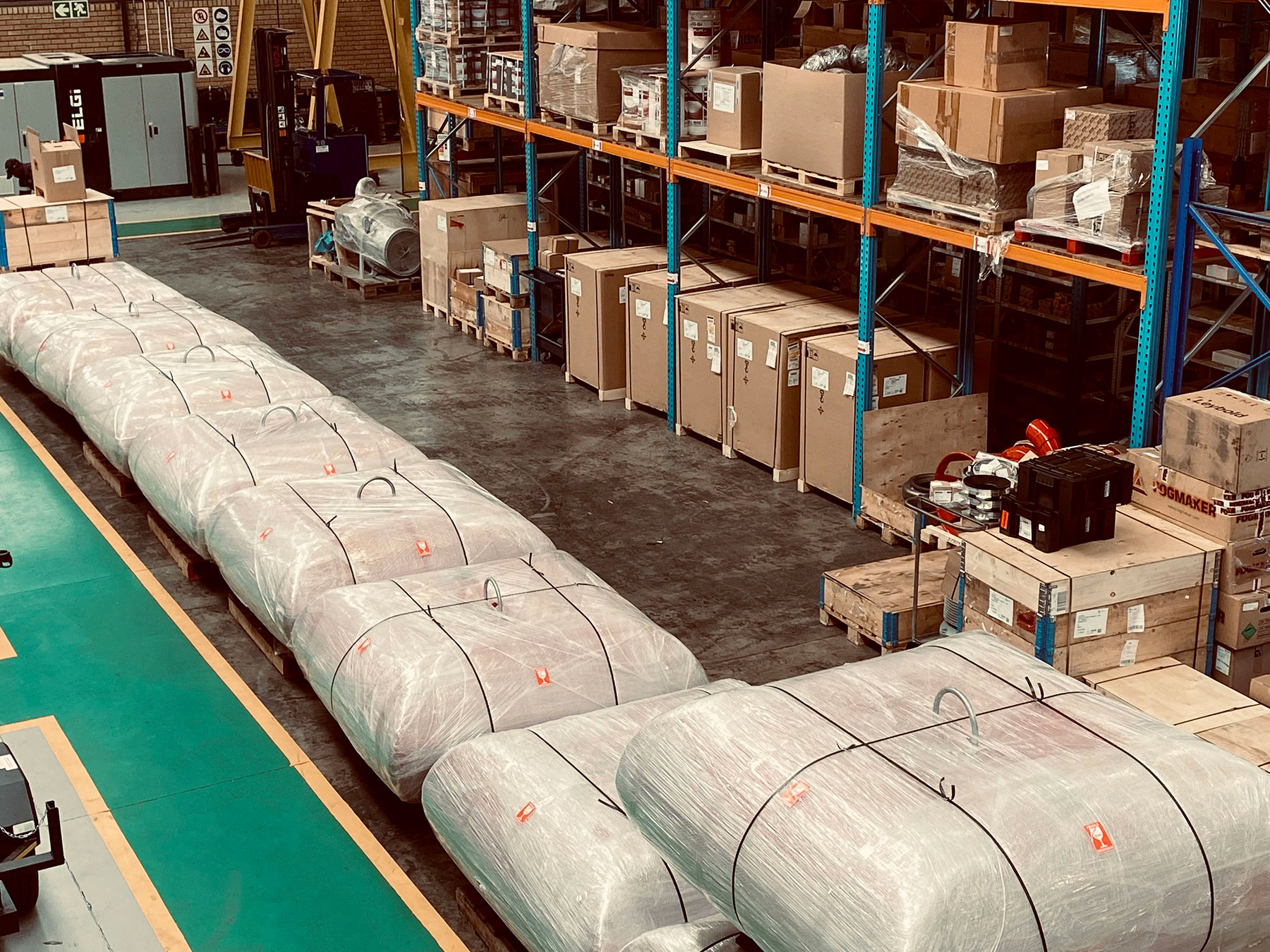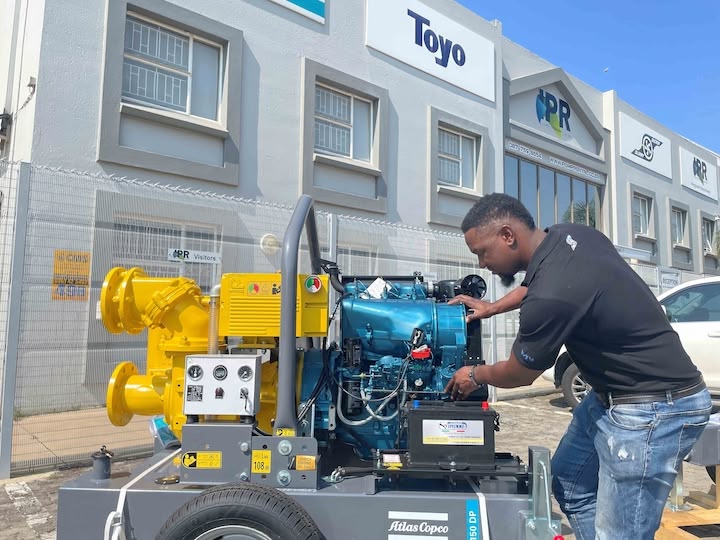


Every dewatering project is different, but most do require the using of accessories such as hosing and flotation systems. While these accessories may seem to be just that, it is essential that when selecting the hosing and flotation system it is correctly matched to the dewatering pump and the application to ensure optimum operation.
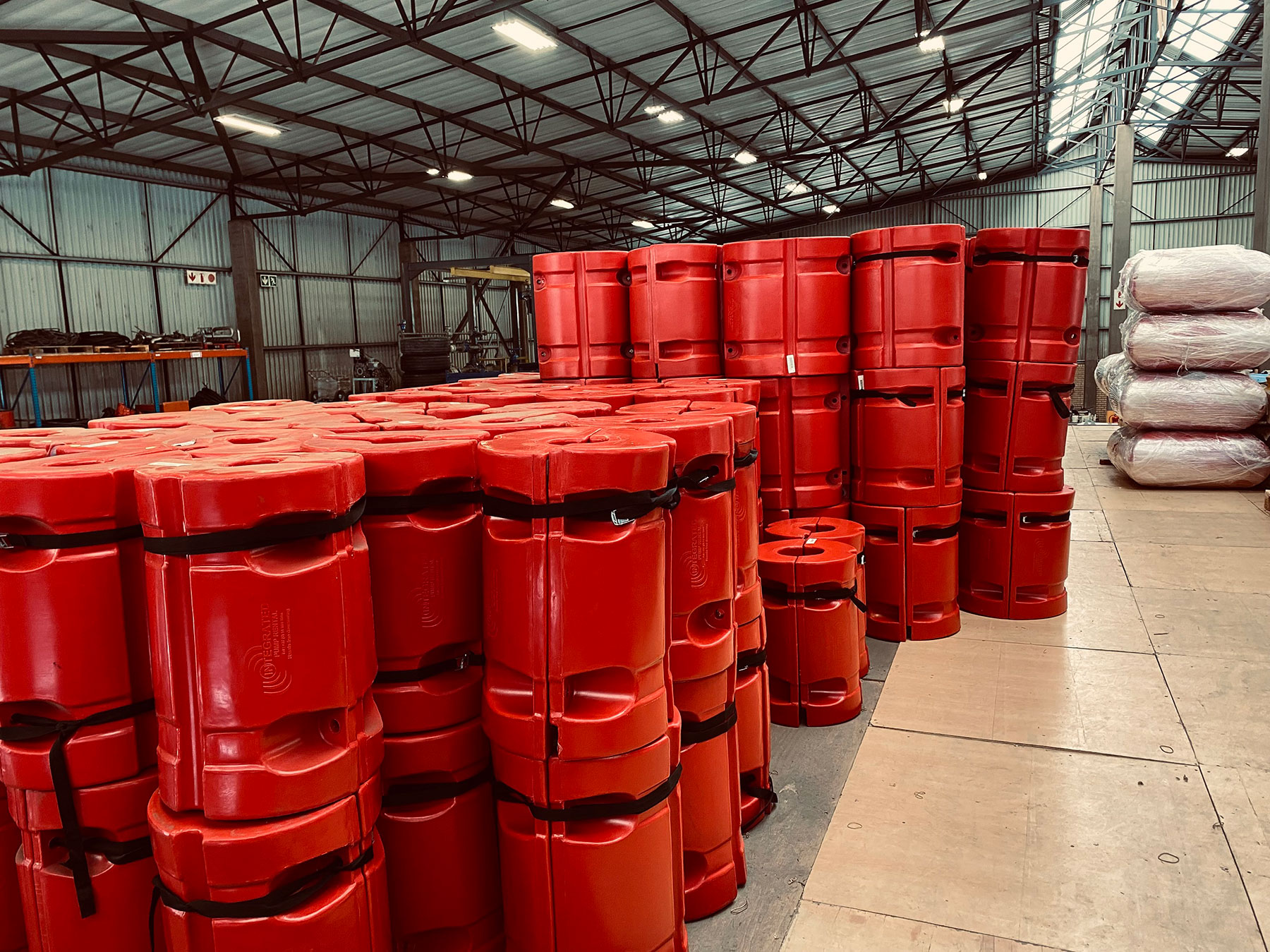
IPR carries a comprehensive range of Pump Flotation Devices (PFD) and Hose Flotation Devices (HFD) which are available for either purchase or hire.
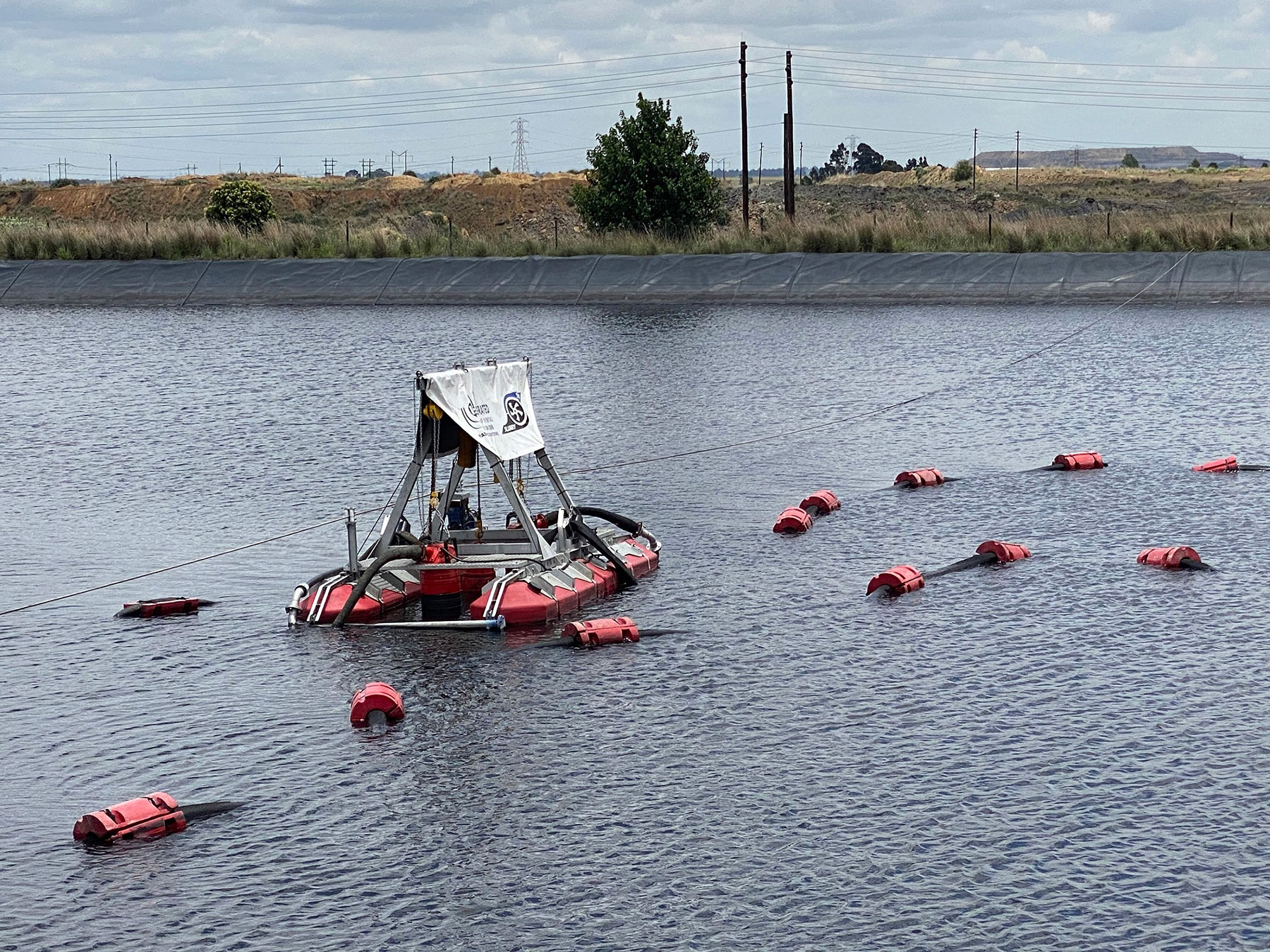
Henru Strydom, operations manager at IPR explains that a PFD is used to suspend the pump during pumping operations, and this is done to prevent the pump from burrowing into the bottom of the dam, stopes or pond where dewatering is being done.
“Using PFDs eliminates the situation where a pump could be damaged or even lost if it moves into the bottom of the area being pumped. And even more importantly, a PFD will significantly reduce the wear on the pump, since it is not in direct contact with the sediment at the bottom during pumping operations,” Strydom says.
The exterior or outer skin of the PFD used by IPR is manufactured from low density high strength polyethylene and is filled with polyurethane foam, which ensures that the flotation device will not sink, even in the unlikely event of the outer skin being punctured.
IPR supplies three different sizes of PFDs with carrying capacities of 250 kg, 600 kg and 1.2 t. In the event that a heavier mass needs to be suspended, a number of PFDs can be used in series to accommodate this.
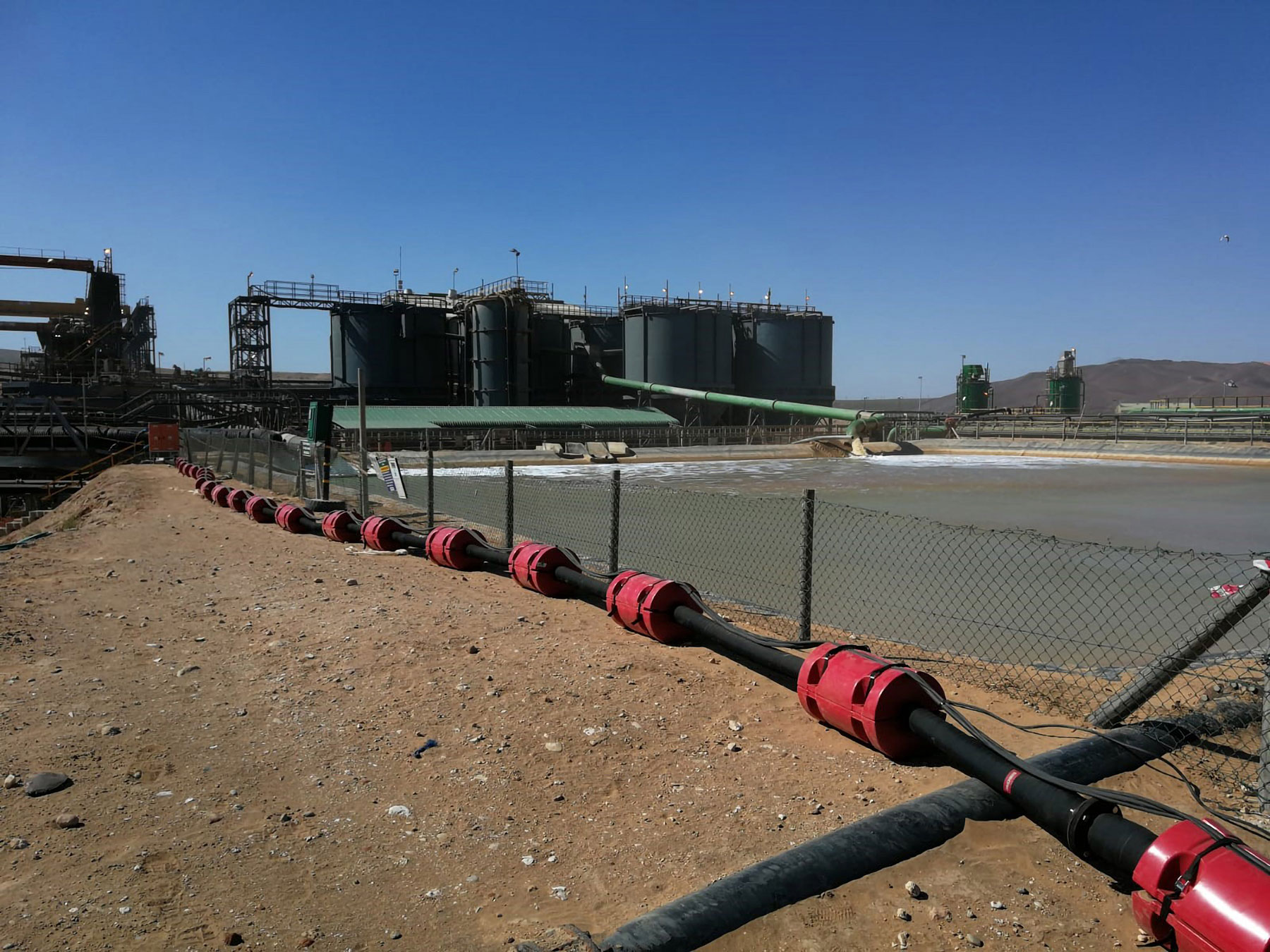
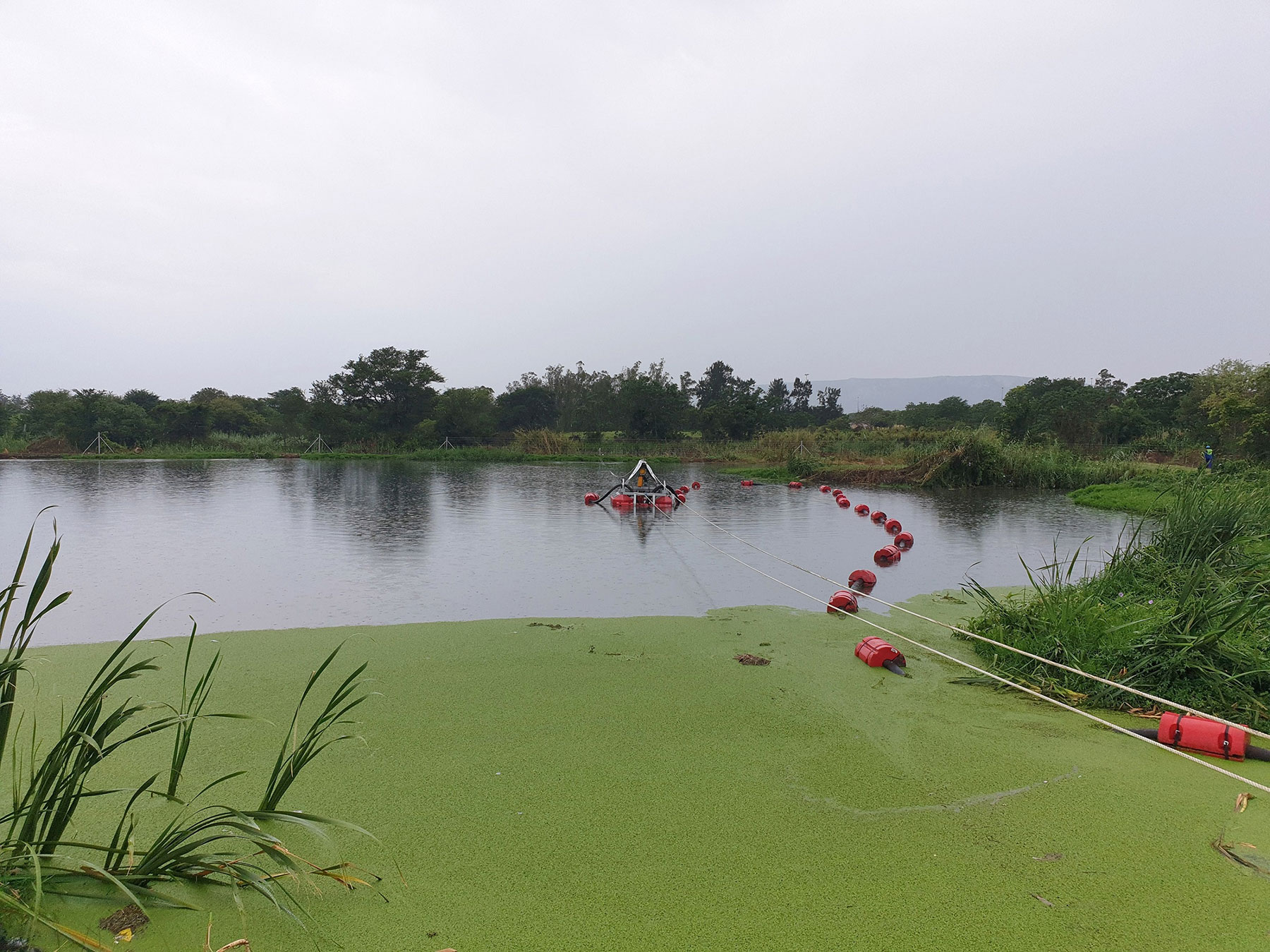
HFDs are used to suspend hoses during pumping applications where either pontoons or barges are used and the hose needs to be suspended above the water, or where hosing is laid across the water instead of around the perimeter of the water.
“In these instances, we advise customers to route the pipework across the direct line of sight to the barge or pontoon. This will result in substantial cost savings,” Strydom points out. The HFD from IPR has been engineered to accommodate cables that cover the same distance as the hoses. HFDs are available in all common hose sizes.
“All products used by IPR are ISO 9001 certified and advice on the most suitable flotation device for specific pump applications is provided by our experienced team. As with our pump offering, we take complete responsibility for all maintenance of flotation devices on site and we keep a comprehensive maintenance record. This allows our team to determine when proactive, scheduled maintenance is required and when equipment reaches end of life,” Strydom concludes.